"Our tour guide was so knowledgeable and friendly. It was a great experience."
Athens · Greece · The Stoa of Attalos
The Museum of the Ancient Agora in the Stoa of Attalos
Step into the Museum of the Ancient Agora, housed in the reconstructed Stoa of Attalos — see the ostraka of Athenian ostracism, the law-court water clock, and the finds dug from the birthplace of democracy, with a licensed local guide.
From
$102
per person
Free cancellation
- 4.9 / 5 17+ Reviews
- 1.5 hours Duration
- The Museum Inside the Stoa
- Licensed Guide Local Expert
- Free Cancellation
The Experience
What a Guided Visit to the Agora Museum Adds
The Agora is a wide field of foundations with little signage — here's what a licensed local guide and the museum in the Stoa of Attalos bring to the walk.
Highlights
- Discover the Agora, the political and social heart of ancient Athens.
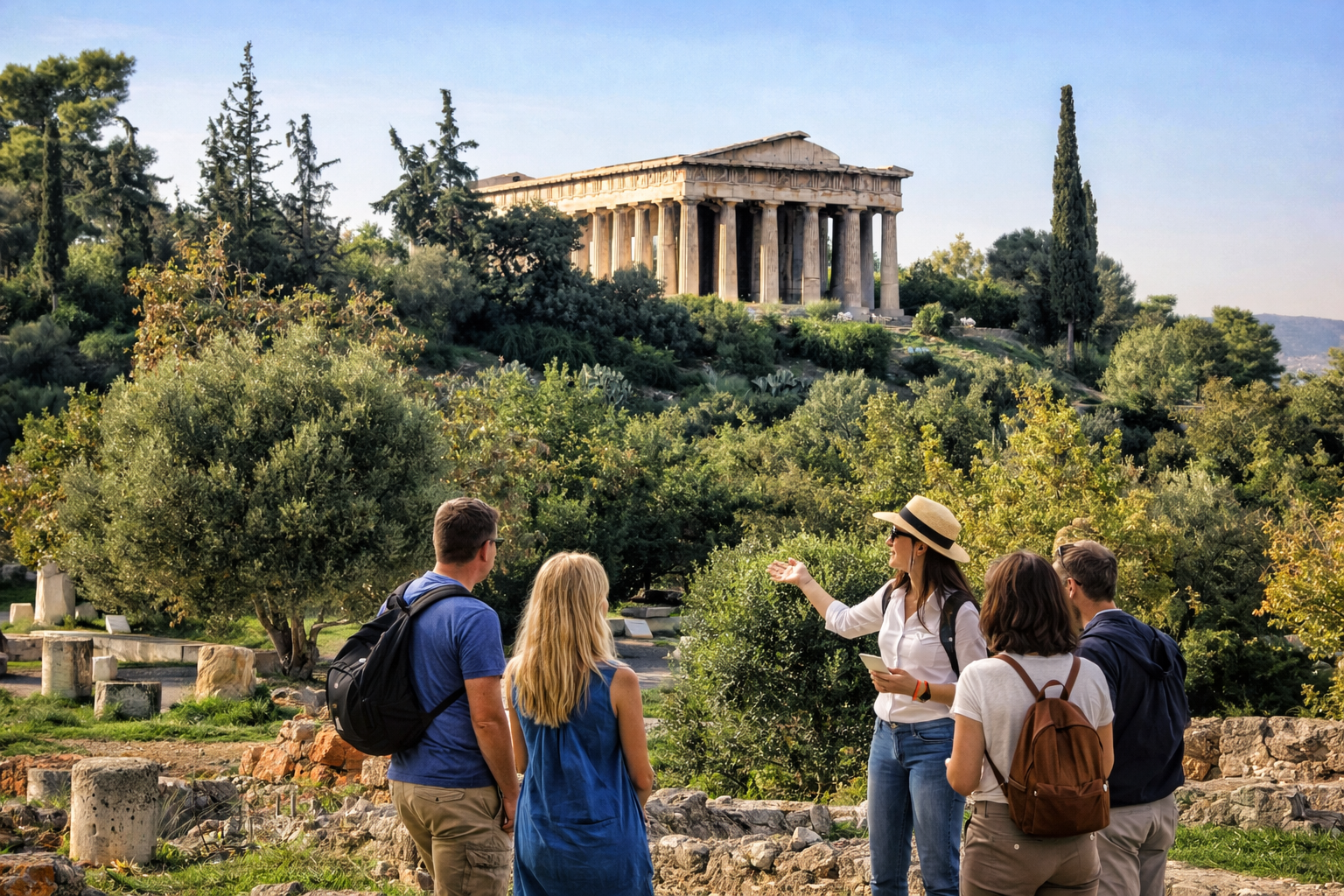
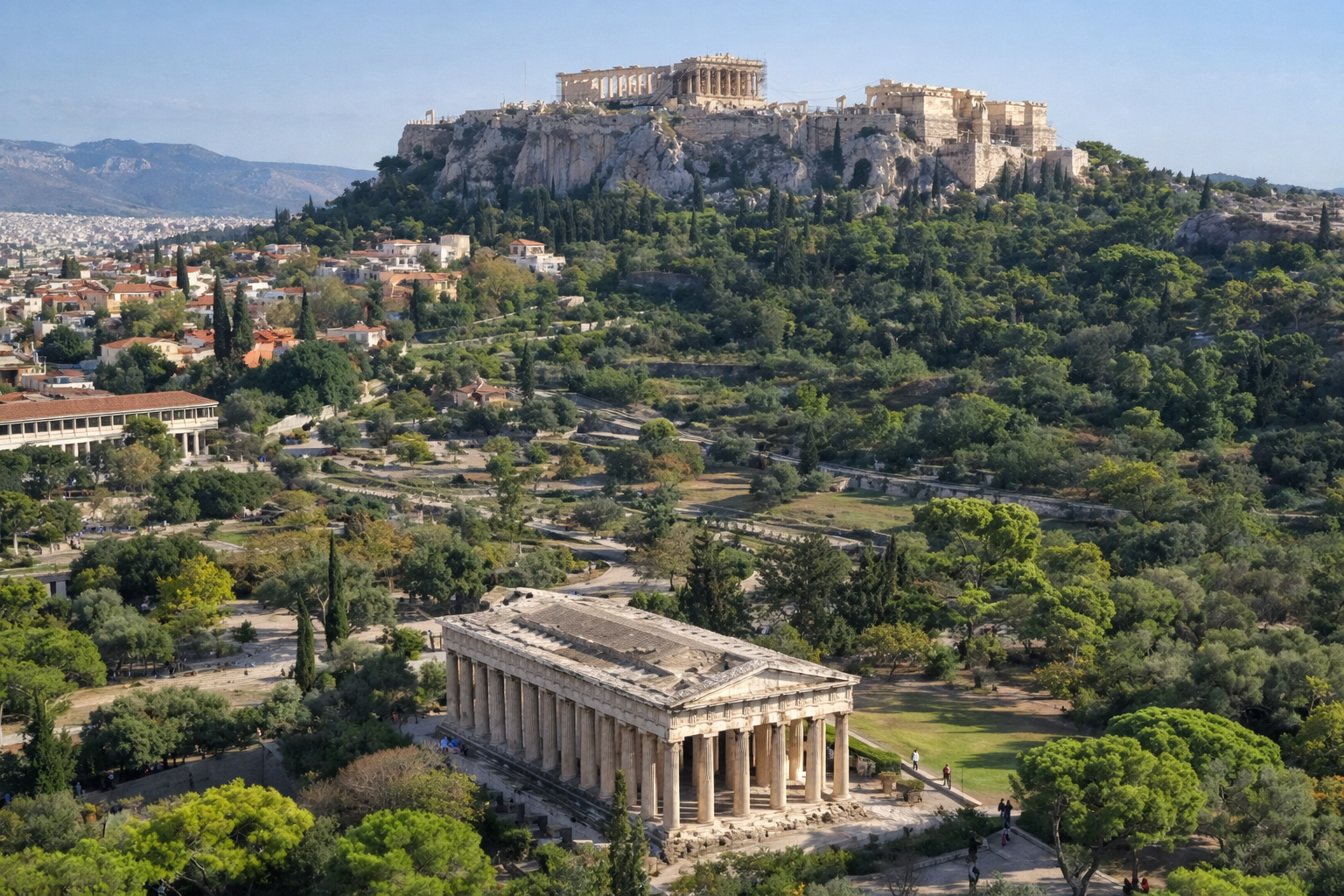
- Admire the Temple of Hephaestus, one of the best-preserved in the world.
- Visit the Stoa of Attalos and its treasures from Classical Athens.
- Walk through the very places where democracy was born.
- Follow an authentic path through the classical city.
What's Included
- Official guide
- Entrance ticket to the Ancient Agora (skip-the-line access included)
- Visit to the Temple of Hephaestus
- Visit to the Stoa of Attalos (Agora Museum)
- Guided route through the ancient city
- Assistance throughout the visit
How a Guided Ancient Agora & Museum Tour Works
Four simple steps from the gate of the Ancient Agora to the galleries of the Stoa of Attalos and the Temple of Hephaestus.
Meet Your Guide at the Agora Gate
Meet your licensed local guide at the agreed point near the entrance to the Ancient Agora in central Athens. Your fast-track entry is arranged, so there's no ticket-office queue to join.
Walk the Heart of Ancient Athens
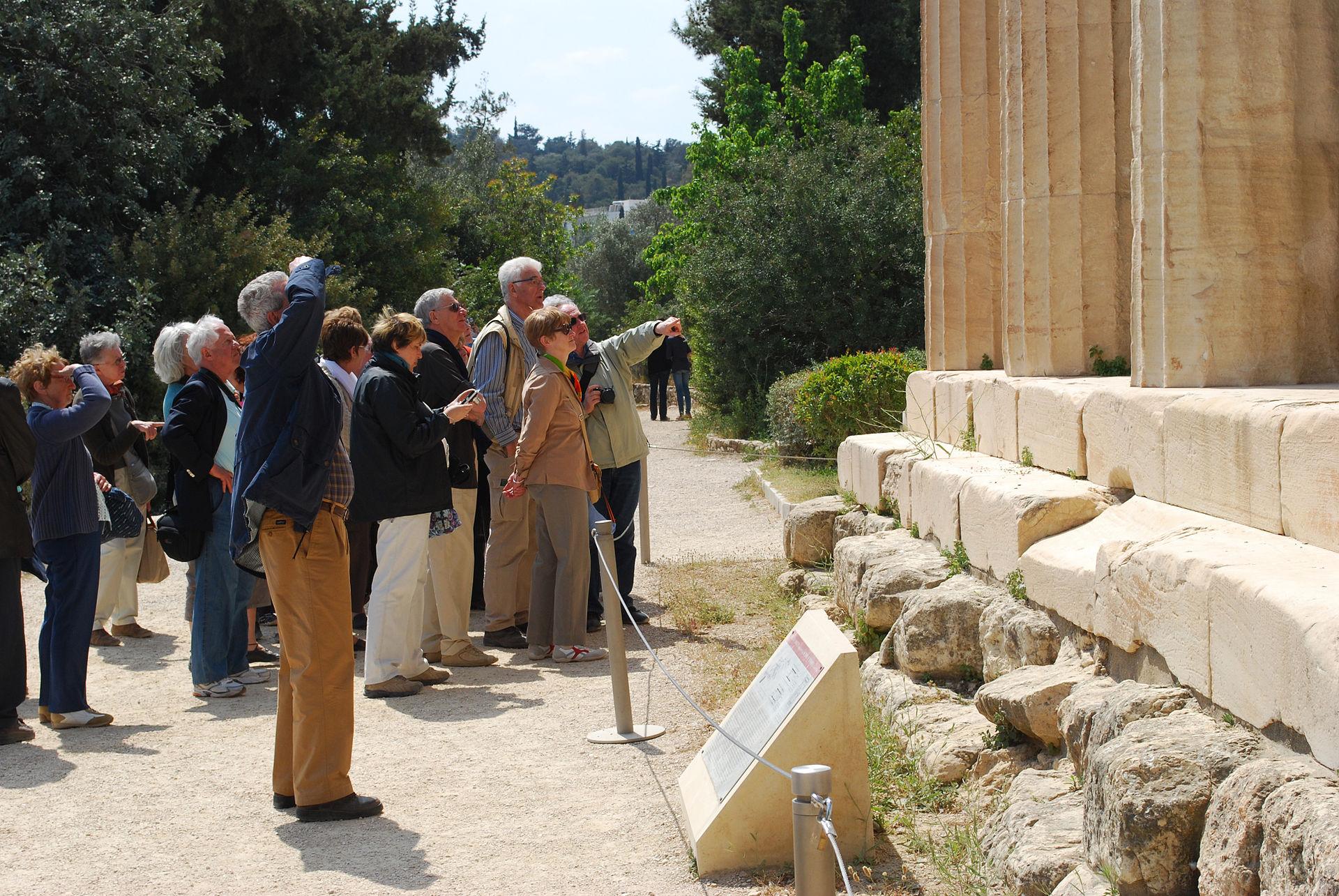
Enter the open-air site and cross the civic centre of the classical city — the council house, the law courts, and the marketplace where Socrates once argued, as your guide brings the scattered foundations back to life.
Step Inside the Stoa of Attalos Museum
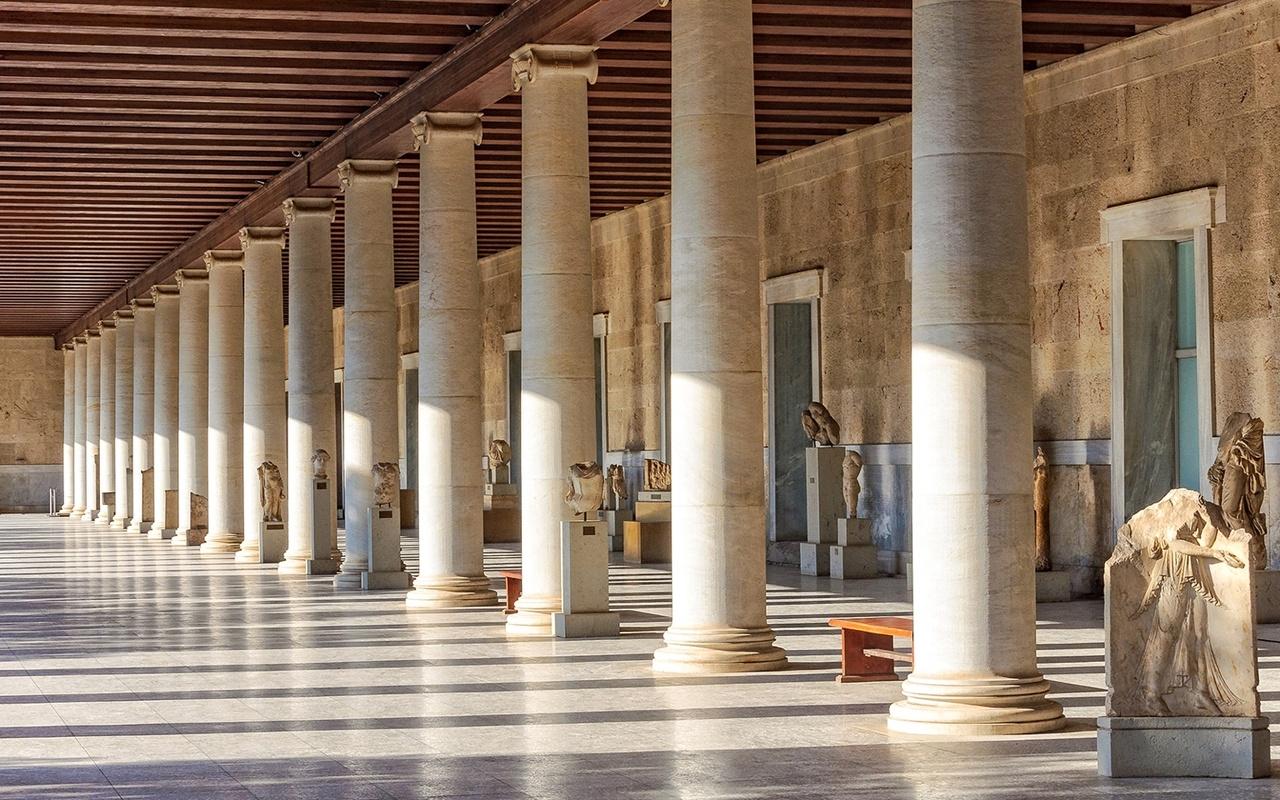
Climb into the reconstructed marble colonnade that houses the Museum of the Ancient Agora, and see the key exhibits up close — the ostraka of ostracism, the law-court klepsydra, and the bronze and pottery dug from the site.
Look Up to the Temple of Hephaestus
Finish on the low hill at the edge of the Agora beside the Temple of Hephaestus — the best-preserved ancient Greek temple in the world — for the classic view back across the ruins and the Stoa.
Photo Gallery
The Agora & the Stoa of Attalos — Through the Lens
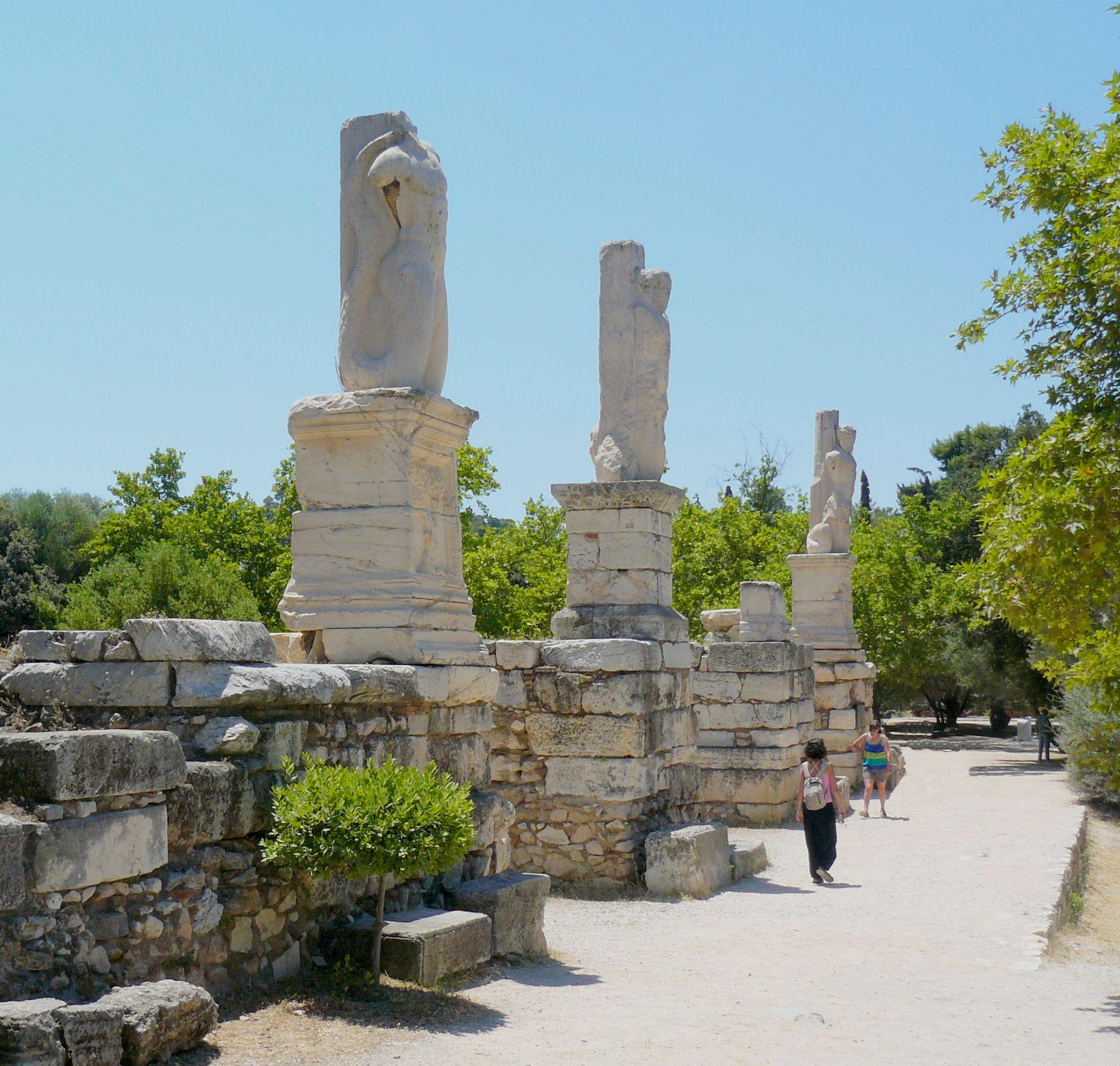
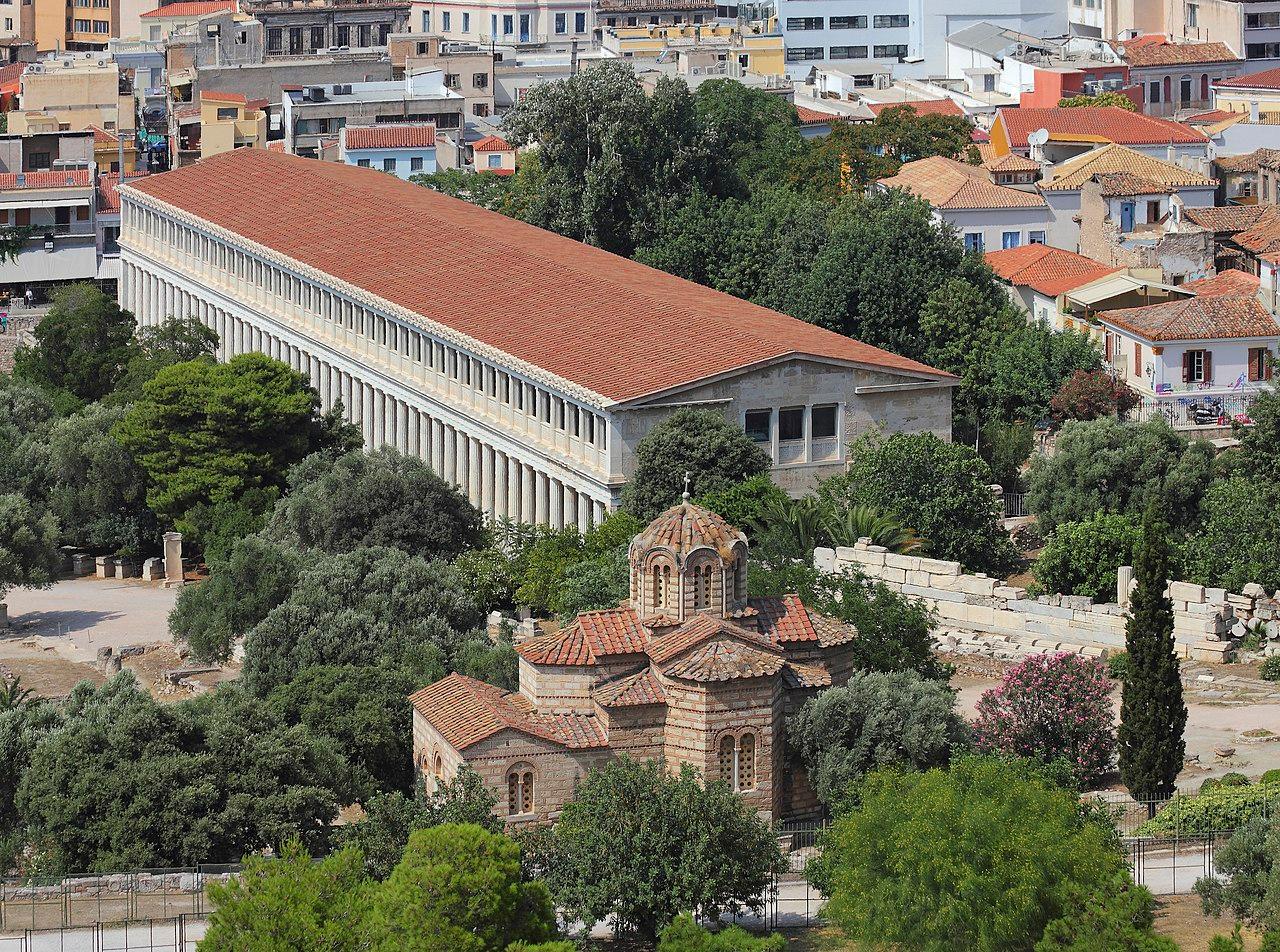
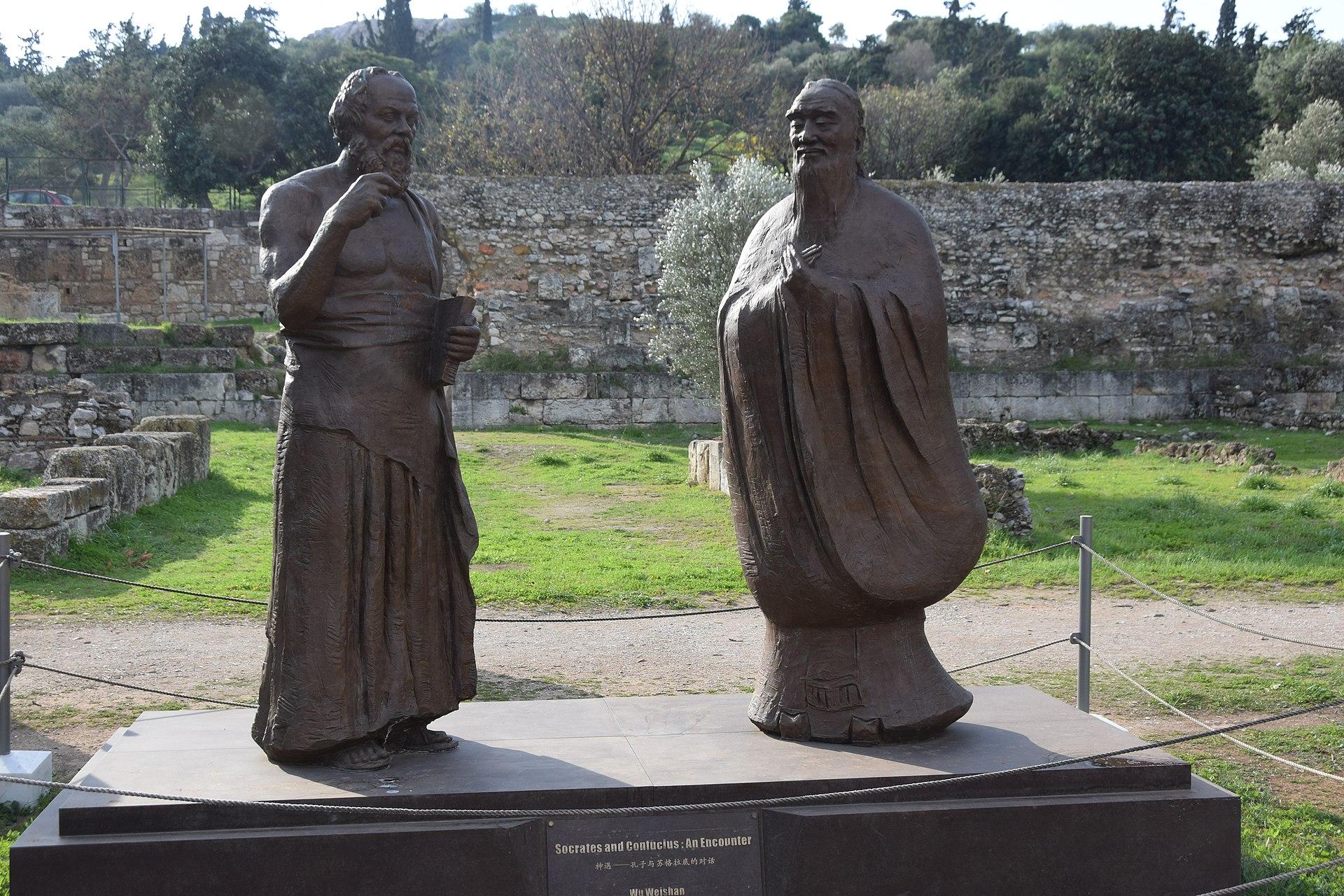
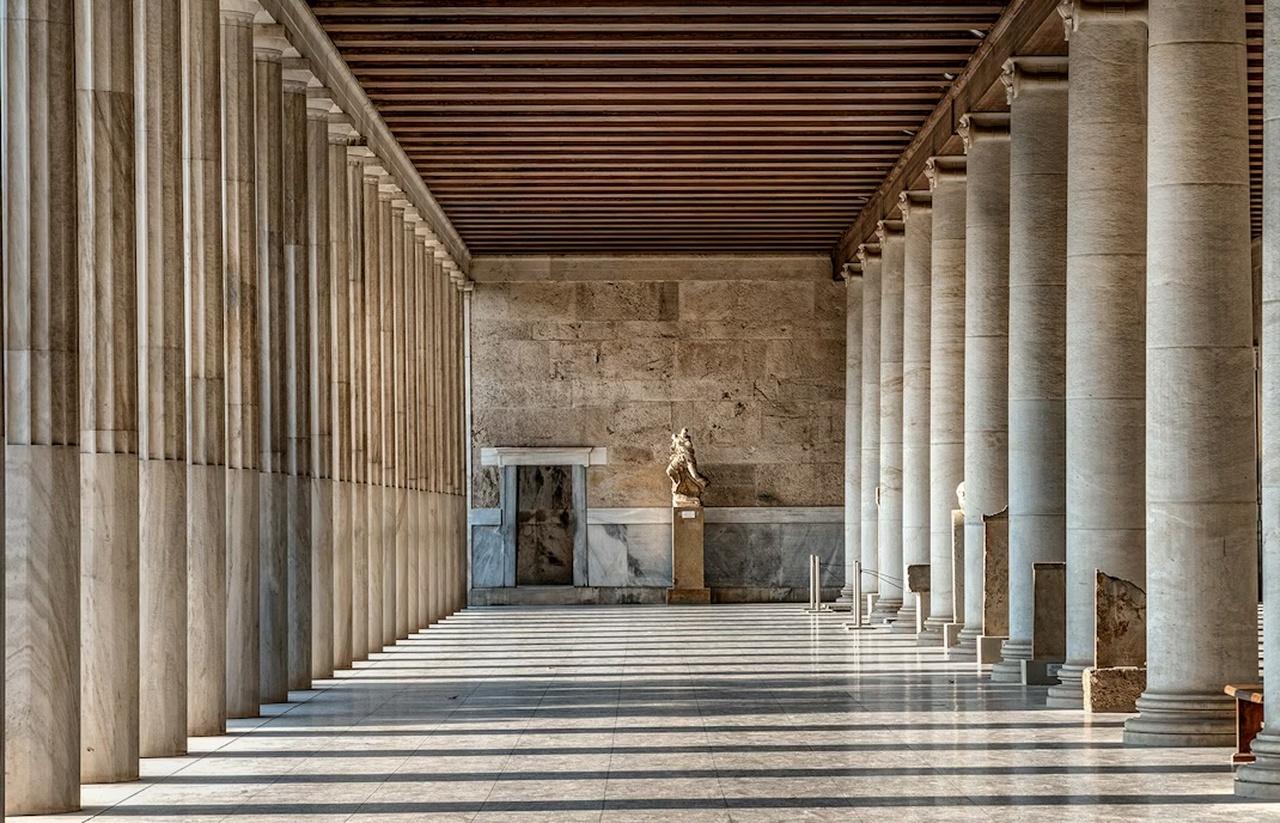
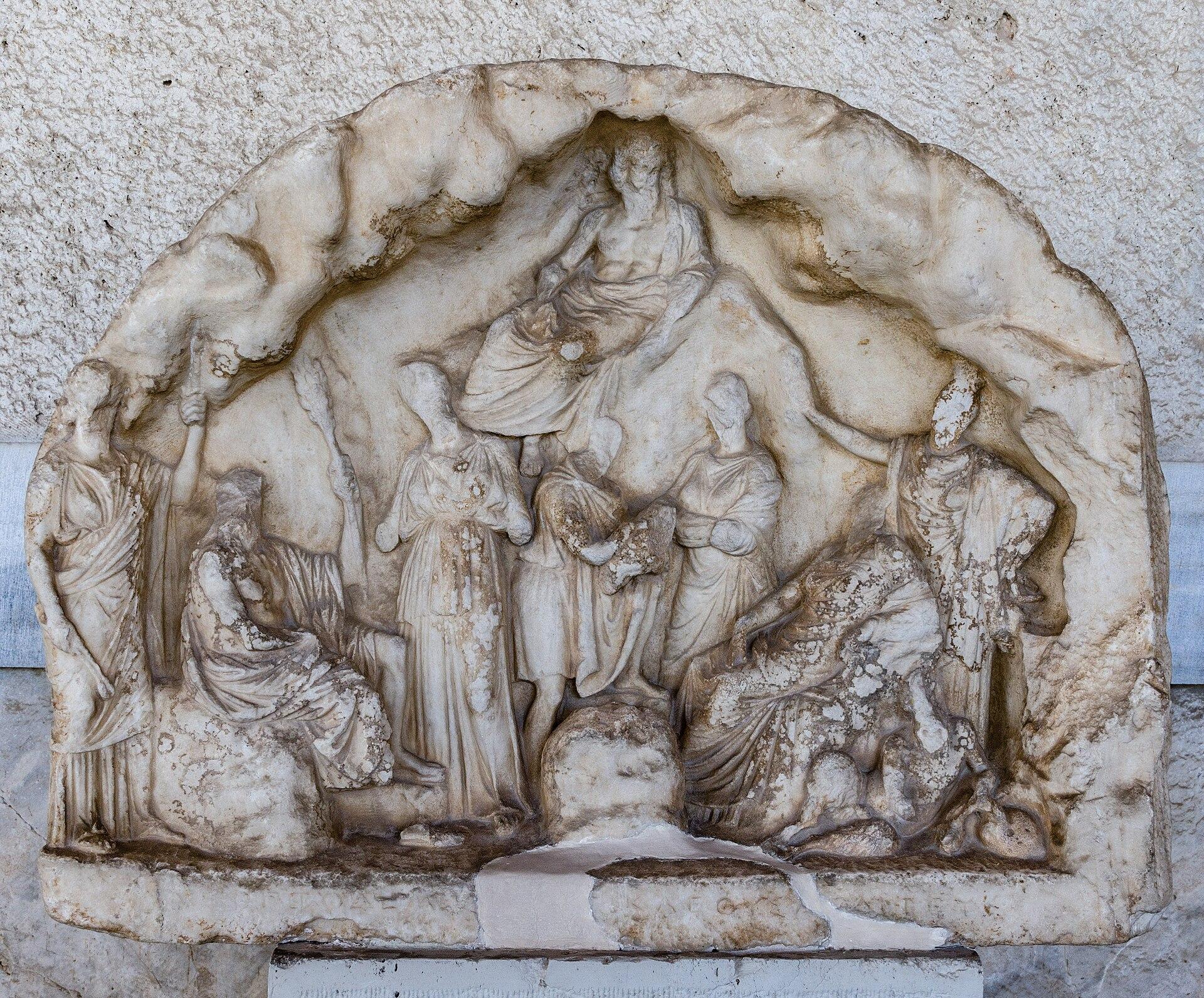
The reconstructed marble colonnade of the Stoa of Attalos, the ostraka and finds inside the museum, and the Temple of Hephaestus above the ruins.
Book Your Experience
Check Availability & Prices
Select your preferred date and time. Instant confirmation — free cancellation up to 24 hours before departure.
Guided Tour vs. Plain Ticket at the Ancient Agora
The Agora is a sprawling field of foundations with light signage, and the Museum of the Ancient Agora sits inside it in the Stoa of Attalos — here's how a guided tour compares with going in on a self-purchased site ticket.
| Feature | EASIEST Guided Ancient Agora Tour | Agora Site & Museum Ticket (Direct) | Acropolis + Agora Combo Tour |
|---|---|---|---|
| Entry to the Site | Agora site entry arranged for you | You buy and carry your own site ticket | Acropolis + Agora tickets included |
| Museum of the Ancient Agora | ✓ Guided visit to the Stoa of Attalos museum | ✓ Same ticket — the museum is inside the site | ✓ Included on the Agora leg of the tour |
| Expert Guide | ✓ Licensed local guide reads the ruins for you | No guide — you explore on your own | ✓ Licensed guide on the rock and in the Agora |
| What You Cover | The Agora, Temple of Hephaestus & the museum | Whatever you find on your own | The Acropolis plus the Agora and museum |
| Pace | ~1.5 hours focused on the Agora | Fully flexible — stay as long as you like | ~3 hours across two major sites |
| Best For | Travelers who want the Agora's story brought to life | Independent visitors on a budget | First-timers who want the full classical-Athens sweep |
| Free Cancellation | ✓ Up to 24 hours before | Depends on where you buy | ✓ Up to 24 hours before |
| Starting Price | From $102/per person | Official combined site ticket (check current price) | From $122/person (two sites + guide) |
| Check Availability | See the Combo |
More Options
Compare Ancient Agora & Museum Tours
Focused Agora-and-museum walks, Acropolis-and-Agora combos, democracy-themed tours, and private guides. All with free cancellation and instant confirmation.
 MOST POPULAR
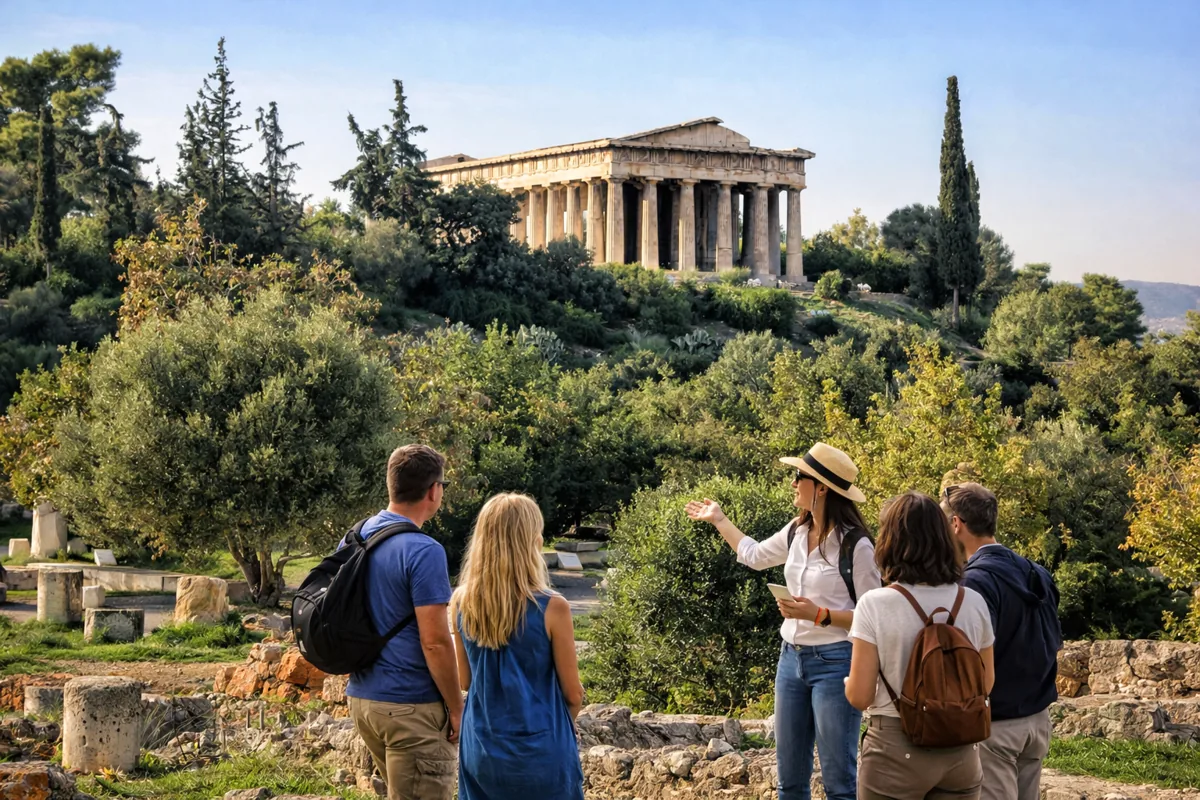
Athens: Ancient Agora Guided Tour with Fast-Track Entry
A focused, licensed-guide walk through the Ancient Agora of Athens with fast-track entry. See the Temple of Hephaestus, the reconstructed Stoa of Attalos that houses the Agora Museum, and the ground where Athenian democracy took shape.
 ALL ENTRANCES
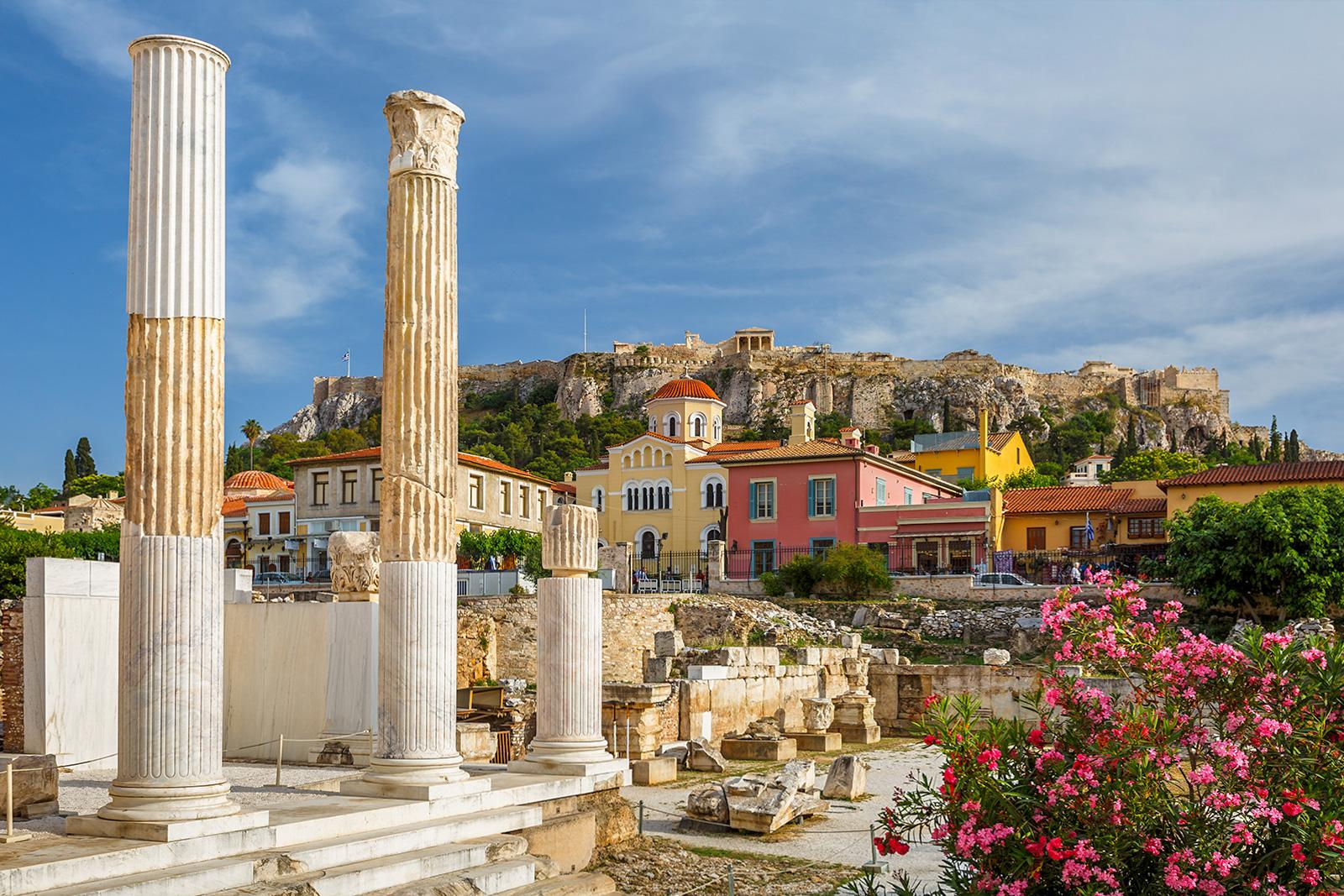
Acropolis & Ancient Agora Guided tour included all Entrances
A guided walking tour pairing the Acropolis with the Ancient Agora, all entrance tickets included. Climb to the Parthenon, then descend to the Agora, the Temple of Hephaestus, and the Stoa of Attalos.
 DEMOCRACY STORY
Acropolis & Agora: The Rise & Fall of Democracy
An Acropolis-and-Agora tour built around the story of Athenian democracy, its rise and fall, led by a licensed guide through the Parthenon and the Agora where the system was born.
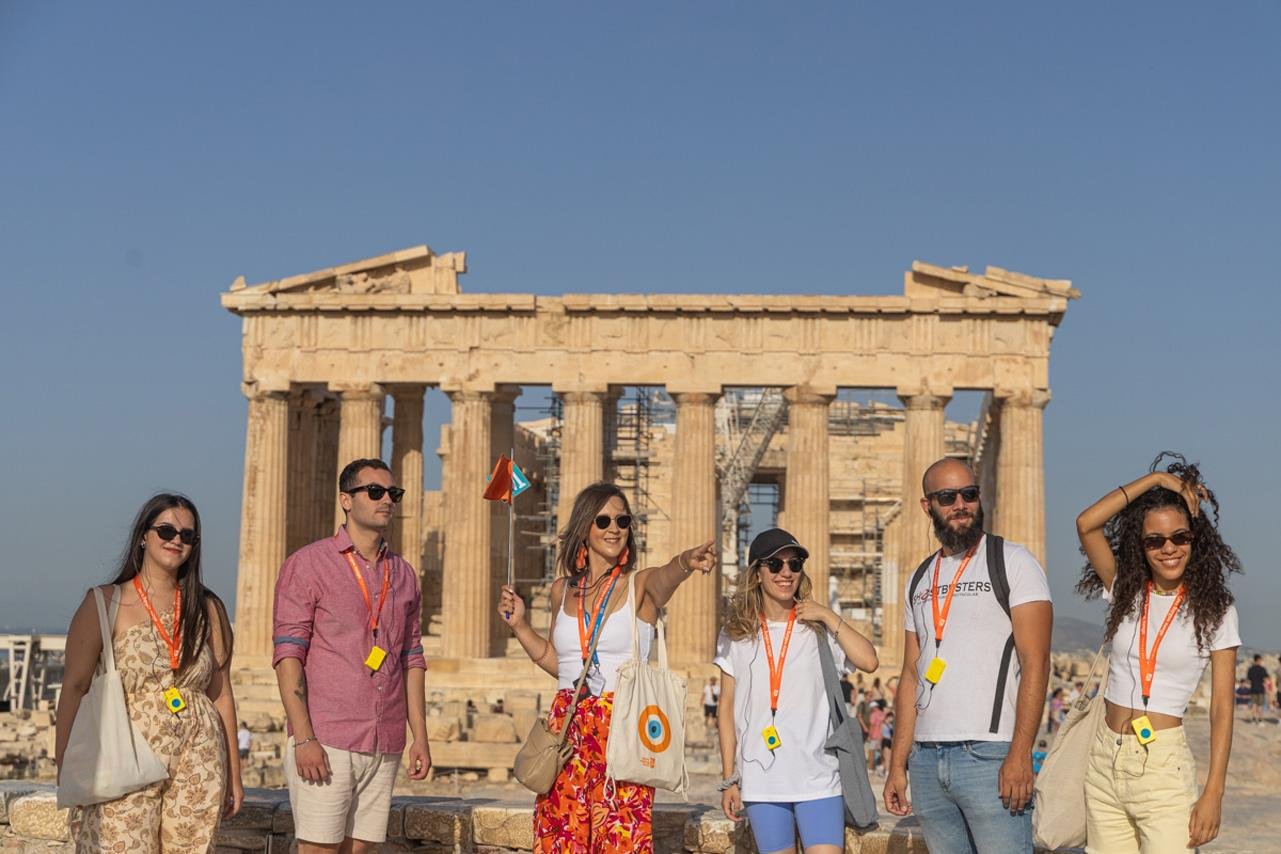 BEST VALUE
Acropolis, Plaka & Ancient Agora Guided Tour
A guided tour linking the Acropolis, the Plaka district, and the Ancient Agora, including the Stoa of Attalos and its museum, for a full sweep of classical and old Athens.
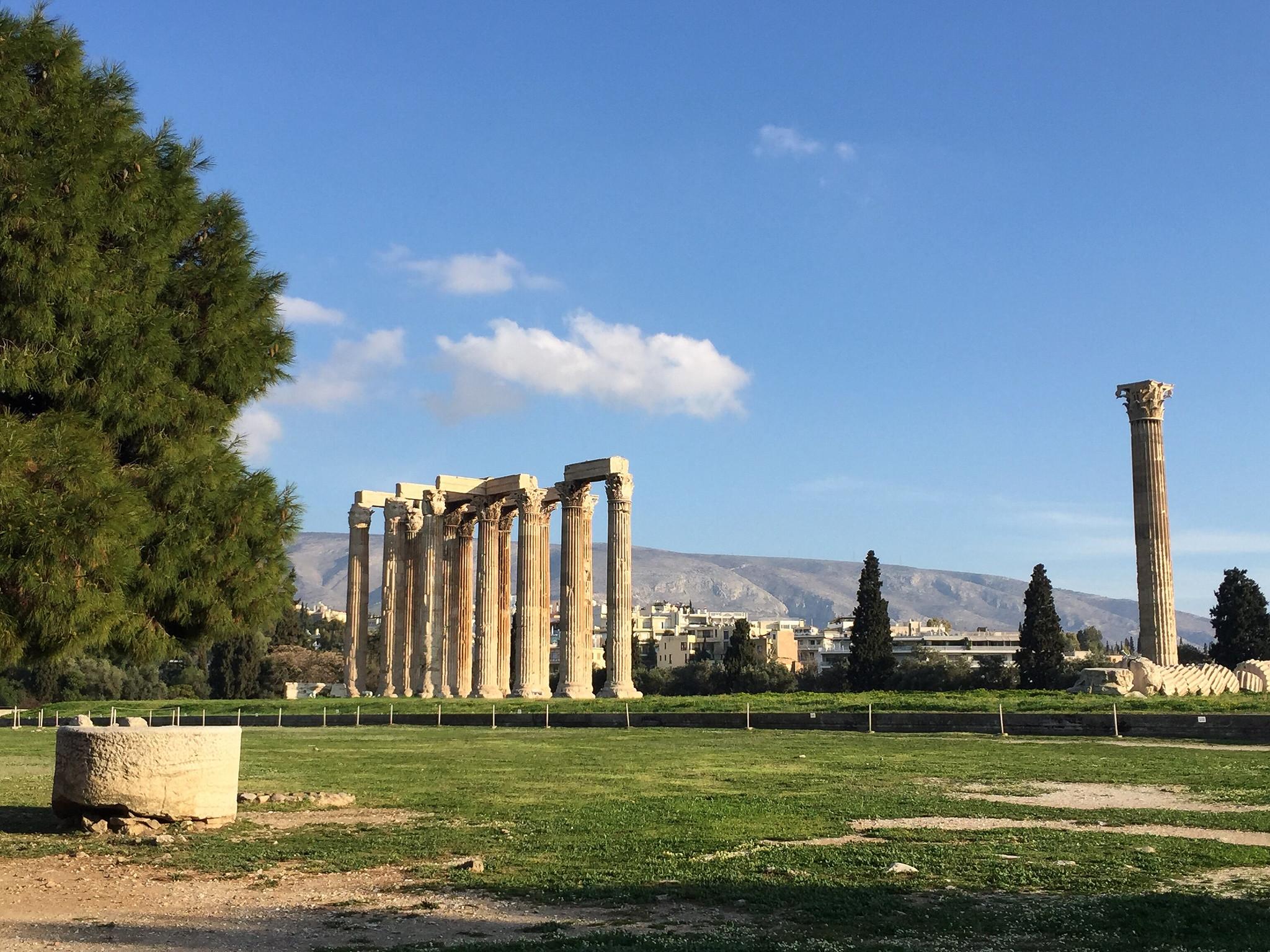 PRIVATE TOUR
Athens: Ancient Agora of Athens Private Guided Tour
A private, licensed-guide tour of the Ancient Agora of Athens, taking in the Temple of Hephaestus, the Stoa of Attalos, and the birthplace of democracy at your own pace.
The Complete Guide
Inside the Museum of the Ancient Agora
What the Stoa of Attalos is, what's displayed inside it, and how the museum turns the Agora's field of ruins into the story of how democracy actually worked.
Most visitors come to the Ancient Agora of Athens for the ruins and the famous view up to the Acropolis — but the single best-preserved building on the site isn’t a ruin at all. It’s the Stoa of Attalos, a 120-metre marble colonnade rebuilt from the ground up in the 1950s, and inside it sits the Museum of the Ancient Agora. This is where the scattered foundations outside finally make sense: the museum holds the objects that the Athenians actually used to run the world’s first democracy. If the Acropolis is where Athens worshipped, the Agora — and this museum — is where Athens governed.
The Stoa of Attalos: A Reconstructed Building You Can Walk Through
The stoa was a gift. King Attalos II of Pergamon, who ruled from 159 to 138 BC and had studied in Athens as a young man, paid for a grand two-storey colonnade to give the city a covered place to meet, stroll, and trade — 21 shops ran along the back of each floor. The original stood for nearly three centuries before being destroyed in AD 267.
What you see today was reconstructed between 1952 and 1956 by the American School of Classical Studies at Athens, with funding led by John D. Rockefeller Jr. It is one of the very few ancient buildings in Greece you can experience whole rather than as a footprint — gleaming Pentelic and Hymettian marble, a cool shaded upper gallery, and the same proportions the Athenians themselves walked beneath. Standing in it is the closest most travellers will ever get to physically inhabiting a classical public building, and that experience alone is a reason the museum is worth more than a quick glance.
What’s Inside — Democracy You Can Hold
The collection is small, deliberate, and unusually moving, because so many of its objects are the working hardware of Athenian self-government rather than grand art.
- Ostraka. These broken pottery shards are the museum’s signature. In a procedure called ostracism, citizens could vote once a year to banish a too-powerful politician for ten years by scratching his name onto a shard and dropping it in. The museum displays ostraka inscribed with the names of famous Athenians — Themistocles, the architect of the naval victory at Salamis who was himself later ostracised, along with Aristeides and Pericles. They are, quite literally, ballots from the first democracy, and the handwriting is still legible.
- The klepsydra. A plain terracotta water clock that timed speakers in the law courts — when the water ran out, your time was up. It’s a vivid reminder that Athenian justice ran on equal, measured time for both sides of a case.
- The machinery of the courts. A bronze kleroterion (an allotment machine that randomly selected citizens for jury duty) and jurors’ bronze ballot disks show how Athens filled its courts and council by lot rather than election, to resist bribery and dynasty.
- The finds of daily life. Pottery, bronze, glass, coins, sculpture, and inscriptions pulled from decades of excavation trace the Agora from the 7th century BC through Roman, Byzantine, and Ottoman Athens.
Because these objects sit on the site where they were used and found, the museum reads less like a gallery and more like a key that unlocks the ground outside.
One Site, One Ticket
A point that confuses first-timers: the museum is inside the archaeological site. The Stoa of Attalos isn’t a separate attraction across town — it stands along the eastern edge of the Agora, and the same site ticket that admits you to the Ancient Agora admits you to the museum. There is no second admission to buy. A guided tour simply walks you through both the open-air ruins and the museum galleries as one continuous visit, which is why the better-value experiences here are guided Agora tours rather than a standalone “museum ticket.”
The Temple of Hephaestus, Just Above
Before or after the museum, look to the low hill on the western side of the site. The Temple of Hephaestus (the Hephaisteion), built in the mid-5th century BC and dedicated to the god of metalworking and to Athena, is the best-preserved ancient Greek temple in the world — it kept its roof and columns because it spent centuries serving as a church. It’s a five-minute walk from the Stoa, and the view from beside it, back down across the Agora to the reconstructed colonnade with the Acropolis rising behind, is the photograph everyone takes home.
Planning Your Visit
The Agora sits on the northern slope below the Acropolis, an easy stroll from the Plaka district — which is why so many tours pair it with the Acropolis in a single day. A focused, guided walk of the Agora and its museum runs about 1.5 hours; budget more if you’re also climbing to the Acropolis. The open-air site has little shade, so in summer aim for early morning or late afternoon, carry water, and wear proper shoes for uneven ground. The shaded upper floor of the stoa is a welcome cool break on a hot day.
The tours listed here are run by independent, state-licensed local guides — not by the museum itself, which is the normal arrangement in Greece — so look for high review counts, small groups, and free cancellation. When you’re ready to let a guide turn the ostraka and the foundations into the living story of how Athens governed itself, check tour availability.
Guest Reviews
What Travelers Say
4.9/5
from 17 verified guests
"Excellent. Guide was very knowledgeable and spoke about Athenian history with passion, which was much appreciated."
"Had lovely morning with Gina, very interesting, she is very knowledgeable and highly recommend"
"It was a wonderful walk around Agora and the museum. Our guide Gina gave us a very comprehensive account of what the early Greek democracy was like. She also has a nice way of interacting with children, so that the ten-year-old who was part of the group was pretty much engaged throughout the tour."
Read all 17 verified reviews
See All ReviewsSee the Agora & Its Museum the Easy Way
Skip the guesswork on a field of ancient foundations — let a licensed local guide walk you through the Ancient Agora, the Temple of Hephaestus, and the museum in the Stoa of Attalos, ostraka and all. Free cancellation up to 24 hours before. Starting from $102 per person.
Check Availability & BookCan't Make These Dates?
Browse More Available Options
Find a tour that fits your schedule — all with instant confirmation and free cancellation.
Frequently Asked Questions About the Museum of the Ancient Agora
What the museum is, what's inside the Stoa of Attalos, and how to plan a guided visit to the Ancient Agora of Athens.
It is the on-site museum of the Ancient Agora of Athens, housed in the reconstructed Stoa of Attalos. The stoa was originally a covered marble walkway donated to the city by King Attalos II of Pergamon (who ruled 159–138 BC) and was rebuilt from 1952 to 1956 by the American School of Classical Studies at Athens to display the finds from the Agora excavations.
The museum sits inside the archaeological site, in the Stoa of Attalos, so the same site ticket that gets you into the Ancient Agora also gets you into the museum — there is no separate museum admission. A guided Agora tour typically includes both the open-air ruins and the museum galleries.
Ostraka are broken pottery shards on which Athenian citizens scratched the name of a politician they wanted banished from the city for ten years — a procedure called ostracism. The museum displays ostraka inscribed with the names of famous Athenians such as Themistocles, Aristeides, and Pericles. They are democracy in action: physical ballots from the world's first democracy.
Alongside the ostraka, the collection includes a klepsydra (a terracotta water clock used to time speakers in the law courts), a bronze allotment machine (kleroterion) and jurors' ballots used to run the courts, plus pottery, bronze, glass, sculpture, coins, and inscriptions recovered from the Agora excavations, spanning the Classical period through Byzantine and Ottoman Athens.
It is the long two-storey colonnade on the east side of the Agora — 120 metres of marble with shops along the back, originally a place where Athenians met, strolled, and did business. Today it is one of the few fully reconstructed ancient buildings in Athens and serves as the Agora Museum, giving you a vivid sense of what a working stoa felt like.
The Temple of Hephaestus (the Hephaisteion) stands on the low hill at the western edge of the Agora and is the best-preserved ancient Greek temple in the world. Built in the mid-5th century BC and dedicated to Hephaestus and Athena, it survived largely intact because it served for centuries as a church. It is a short walk from the Stoa of Attalos and is included on most Agora tours.
The Agora is a wide field of foundations with little signage, so on your own it can read as a confusing scatter of stones. A licensed local guide turns it back into a living city — where the law courts stood, how ostracism and the jury system worked, and what the museum's ostraka and klepsydra actually meant. If you prefer to wander solo, the site-and-museum ticket is the budget alternative.
A focused guided tour of the Agora and its museum runs about 1.5 hours. If you visit independently, allow one to two hours to walk the site, climb to the Temple of Hephaestus, and go through the museum galleries in the Stoa of Attalos.
No — the tours listed here are run by independent, top-rated local operators and state-licensed guides, not by the Greek authority that owns the site. That's the normal arrangement: the state sells site entry, while operators provide the guided experience and fast-track tickets. Trust signals to look for are high review counts, certified guides, small groups, and free cancellation.
The Ancient Agora lies on the north-western slope below the Acropolis, an easy walk from the Plaka district and from the Acropolis itself. Many visitors pair the two, which is why several tours on this page combine the Acropolis with the Agora and its museum in a single day.
Most tours on this page offer free cancellation up to 24 hours before the start time, along with instant confirmation and a mobile voucher. Always confirm the cancellation window on the specific tour before you book.
Still have questions? Email us at info@ancientagoramuseum.com